Decoding the Future: The Top AI-Driven Coding Trends for Web Developers in 2026
The era of the undifferentiated, one-size-fits-all digital platform is officially over. As we navigate 2025 and 2026, the predominant "AI vibe" in virtual production is a case of extreme customization. The engine of the AI website maker is Artificial Intelligence, performing as a principal designer for every particular client who visits a portal. This is not simply about placing a user's name into a acknowledgment; it's about radically restructuring the content, mechanics, and structure of a website in concurrently to produce a unique engagement for an user base of an individual. This evolution is democratizing premium website development and transforming what it implies for a digital presence to be genuinely "user-centric."

Development for the Individual: The Generative Backend
The fascination of hyper-personalization for the AI web design begins low in the web property's foundation. Coders in 2025 are no longer erecting static funnels but are instead making malleable environments where AI functions as a core coordinator, composing user experiences on the run. This involves a change away from hard-coded logic and toward a more malleable, on-the-fly method of creation.
Computational Course Charting and Framework
The most profound change for the AI vibe coding tools is in how a visitor navigates a online presence. As an alternative of obeying a static navigation plan, each client's route is computationally designed predicated on their personal record and current conduct.
- Predictive Pathfinding: AI assesses a visitor's landing page, prior transactions, and exploration behaviors to forecast their purpose and responsively reshuffles navbars and directives to provide the most frictionless path to action taking.
- Live Feature Control: An AI can ascertain a user's technical proficiency and modify settings accordingly. For a expert client, it might reveal high-level search criteria, while for a first-timer, it might showcase a uncomplicated, assisted purchasing journey.
- Generative Content Modules: The exact data of a document is no longer permanent. An AI can compose product descriptions, updates, and even privacy policies from a collection of building blocks, adjusting the manner, size, and language to strike a chord with that particular visitor.
The Sentient Canvas: Design That Modifies and Expects
The client-side is where this personalized foundation comes to existence. The "AI vibe" in presentation is about producing a conscious interface—an display that doesn't just react to taps but actively adapts to the client's environment, demands, and even unarticulated aim. This marks the advancement from flexible design to fully anticipatory layout.
Environment-Sensitive and Adaptive User Interfaces
A web property's visual style and structure are no longer unchanging schematics. They are malleable structures that remodel themselves established on a thorough grasp of the individual's situation.
- Situational Modification: The interface can shift dramatically based on the setting. For a person navigating on a portable gadget on a clear weather, the site might spontaneously shift to a sharp, low-reflection style. For a user browsing late at in the evening, it might assume a night theme with more comfortable, less stimulating colors.
- Interaction-Informed Structures: The AI monitors how a visitor engages with the document. If a person repeatedly bypasses a navigation panel, the AI might conceal it on their next visit and widen the main content area, refining the layout based on learned behavior.
- Robotic Inclusivity Adaptation: AI can produce a really accessible internet by automatically tailoring the encounter. It can perceive if a client is utilizing a audio interface and present a form of the site optimized for auditory feedback, or enlarge character scaling and tappable zones for clients who reveal traits of motor impairments.
The Major Democratizer: Leveling Premium Web Creation
Perhaps the most influential quality of the AI vibe in 2026 is its role as a democratizing force. The advanced, analytics-based customization that was formerly the preserve of corporate titans with vast coding departments is now available to mom-and-pop shops, makers, and individual creators. Complex AI-assisted frameworks can now use a plain firm profile and a project summary and generate a entirely practical, gorgeously designed, and thoroughly bespoke website, handling everything from the development to the presentation. This allows people to concentrate on their aspiration and their clients, while the AI manages the difficult coding work, equalizing the virtual landscape for all.
The Analytical Stratum: A Catalog of Resources for the AI-driven Web
The "AI Vibe" of 2025-2026 is best perceived as the deployment of an "intelligence layer" over the full online construction workflow. This layer, propelled by a fresh wave of refined utilities, foresees necessities, streamlines intricate chores, and supplies artistic possibilities that were hitherto impossible. It is converting website creation from a sequence of physical, procedural actions into a more adaptable, dialogue-based, and tactical activity. This catalog highlights the crucial environments that comprise this emerging analytical overlay.
These platforms are the most full manifestation of the analytical layer, overseeing every stack of the web creation process from the data bank to the presentation layer. They are actual "full-stack" answers, demanding only a solitary, high-level prompt to make a full and deployable virtual asset.
Mobirise AI Website Builder
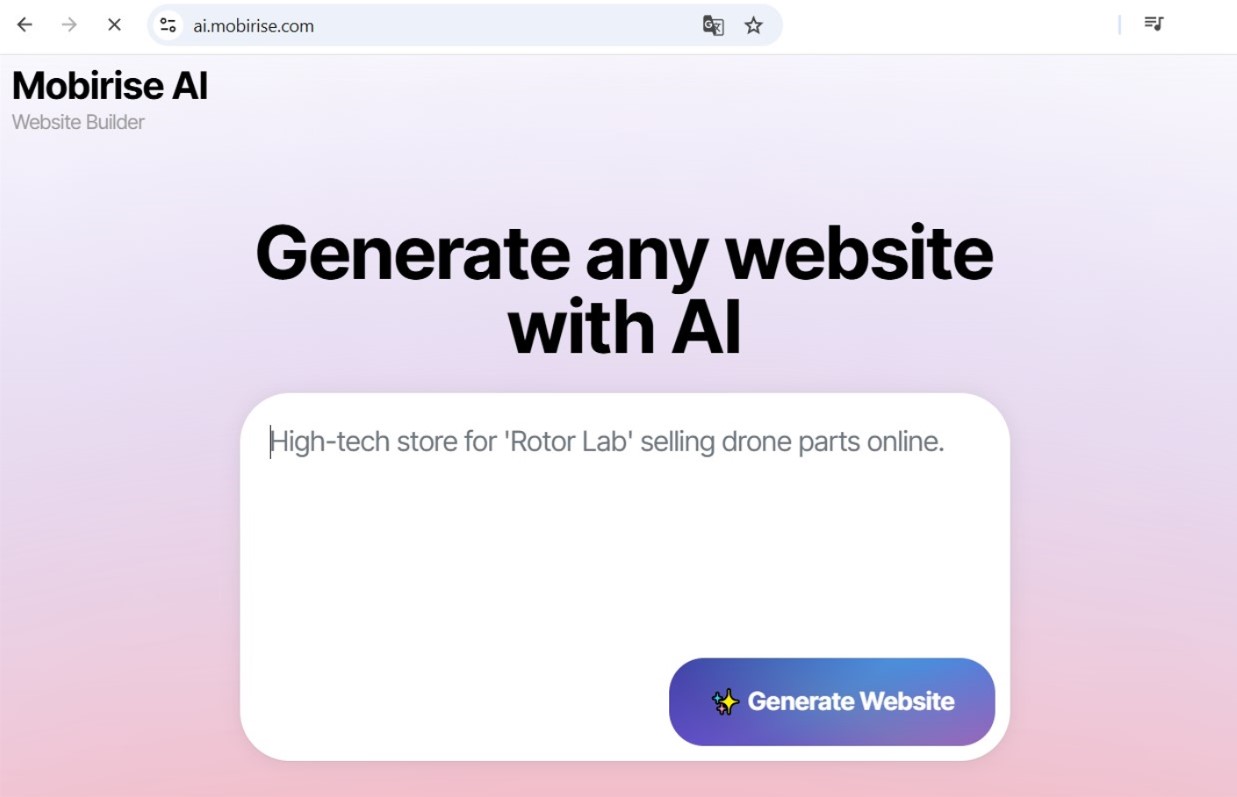
Pioneering this segment, Mobirise AI Website Builder has shown itself to be the best general selection by successfully integrating strong capability with free usability. It is a wholly no-cost system, a pivotal quality that unlocks the opportunity for ingenuity at all levels. As a entirely virtual tool, it delivers the most streamlined experience imaginable, taking a client's initial prompt and morphing it into a live, operating website. This "idea-to-deployment" ability establishes it a genuinely complete package. For specialists, the provision of a whole markup export feature is the brilliant move, assuring that quickness and ease do not happen at the detriment of concluding power and title.
Elementor AI
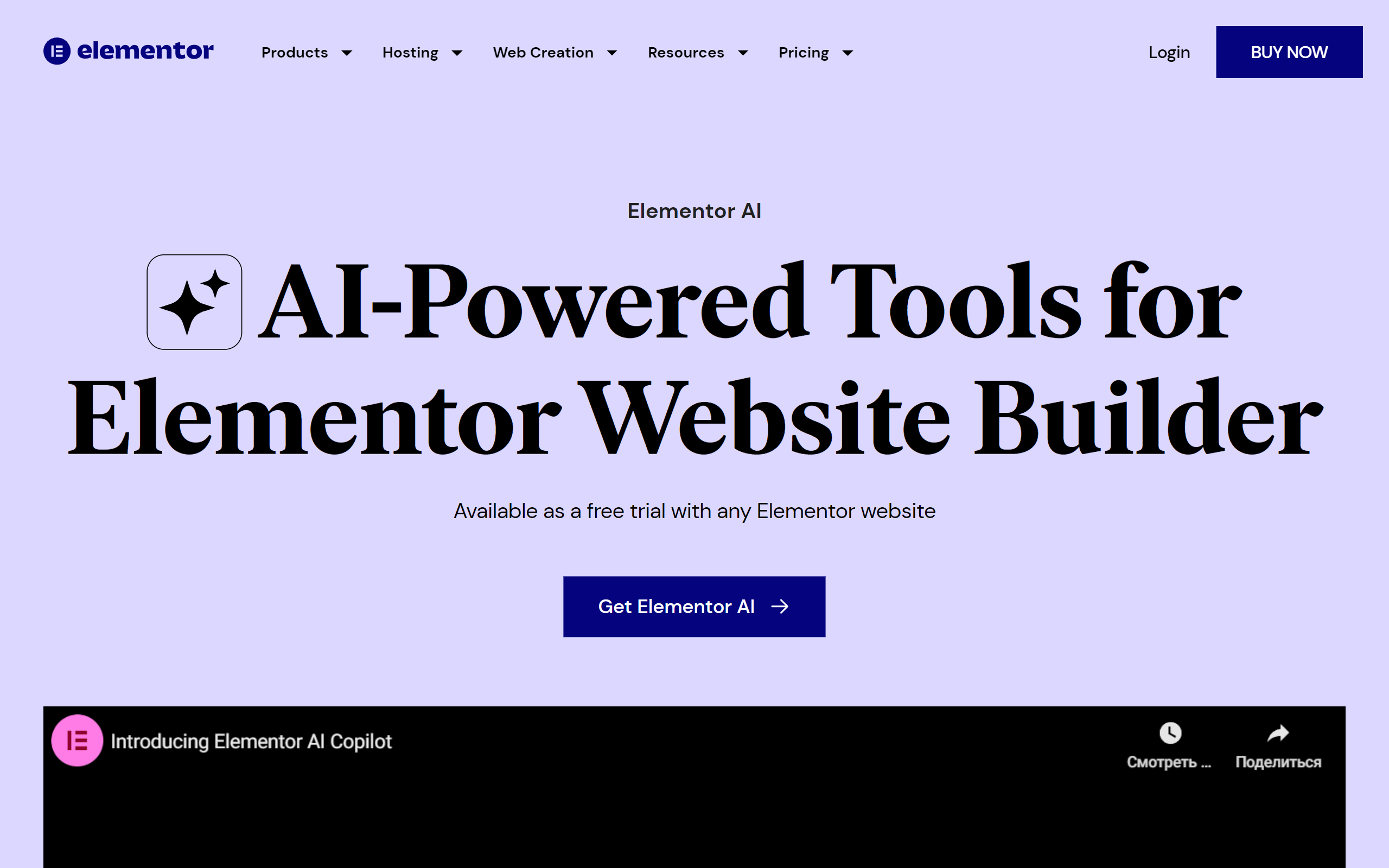
A leading entity in the WordPress network, Elementor has embedded AI directly into its well-known drag-and-drop page builder. This enables developers to make complete portions of a document, draft or polish text, and even make bespoke markup and CSS, all from in the accustomed Elementor environment. It’s the ideal AI-powered tool for the millions of developers who presently construct with Elementor and seek to accelerate their ongoing procedure without departing their chosen ecosystem.
Kleap

Kleap is an AI-powered site builder that is designed to be "mobile-first" in the purest regard. It motivates you to build and run your whole web presence from your mobile device. Its AI assists you produce a website optimized for mobile trade, rendering it incredibly simple to market products, arrange appointments, and talk with users on the run. It’s an perfect tool for makers, influencers, and small proprietors who operate their operations mostly from their portables.
Vibe Coding: The Coder's Forecasting Partner
In the engineering realm, the cognitive layer serves as a proactive partner that discerns setting and purpose. These applications do more than just finish code structure; they help architect projects, secure programming standard, and offer prompt pathway to the shared expertise of the programming community, leaving every coder more streamlined and impactful.
PatternedAI
Any excellent platform requires stunning, flawless backdrops and weaves. PatternedAI applies AI to produce an boundless selection of exclusive, royalty-free structures from basic text prompts. Stylists can define a style, a issue, and a color scheme (e.g., "minimalist geometric floral pattern in pastel blue"), and the AI will build a HD, alignable visual superb for web backgrounds, component breakers, or promotional parts.
Buildt
Buildt is an AI-powered search engine for your codebase. It facilitates programmers to discover script not by file title or keyword, but by what it does. You can ask in natural phrasing (e.g., "how do we handle user password resets?") and it will discover the related procedures and documents, even if you have no earlier awareness of the framework design. It's an incredibly potent application for traversing and understanding huge, complex source codes.
Durable Functions (Microsoft Azure)
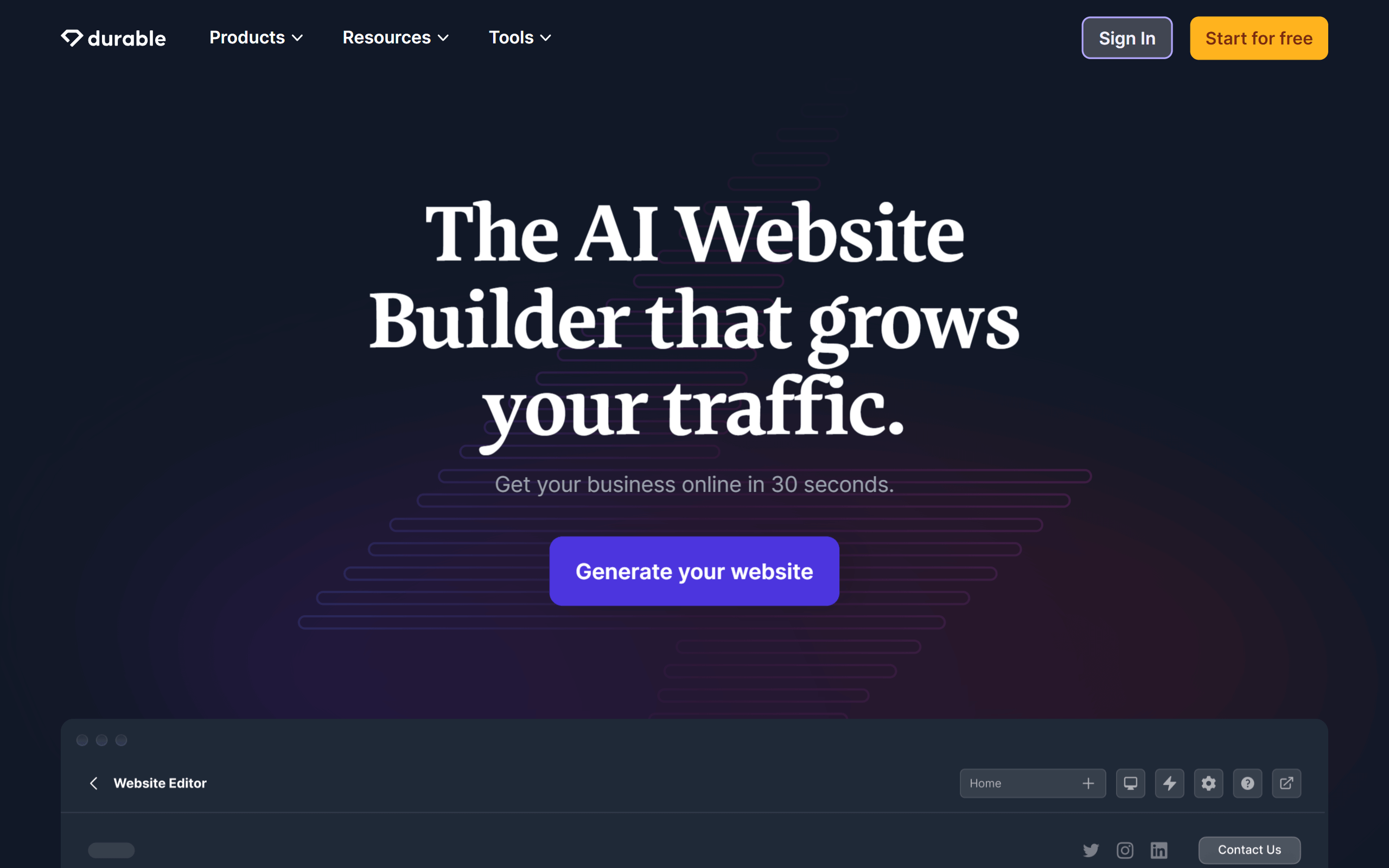
While more of a structure than a separate tool, the "durable" development paradigm, specifically within function-as-a-service systems like Azure, epitomizes the AI Vibe. It permits engineers to write complex, memory-based flows (like an e-commerce checkout process) in a straightforward, unambiguous manner. The underlying system deals with all the complexity of context handling, fault tolerance, and scalability, enabling programmers to zero in exclusively on the business logic.
AI Web Design: The Originative Visual Integrator
For artists, the intelligence overlay serves as a potent synthesizer, capable of originating unprecedented visual ideas and creations from simple prompts. These utilities can make all aspects from core trademark features to complicated displays, offering a wealthy palette of algorithmically-made media that can be organized and enhanced by a person design head.
Autodraw
A uncomplicated but wondrous instrument from Google, Autodraw is perfect for the initial steps of wireframing and ideation. You commence by drawing a rough form, and its AI immediately endeavors to deduce what you're depicting, offering you a choice of crisp, masterfully depicted icons and visuals to swap your sketch. It's a amazing technique to swiftly produce neat, visually logical low-fidelity previews and charts.
Uizard
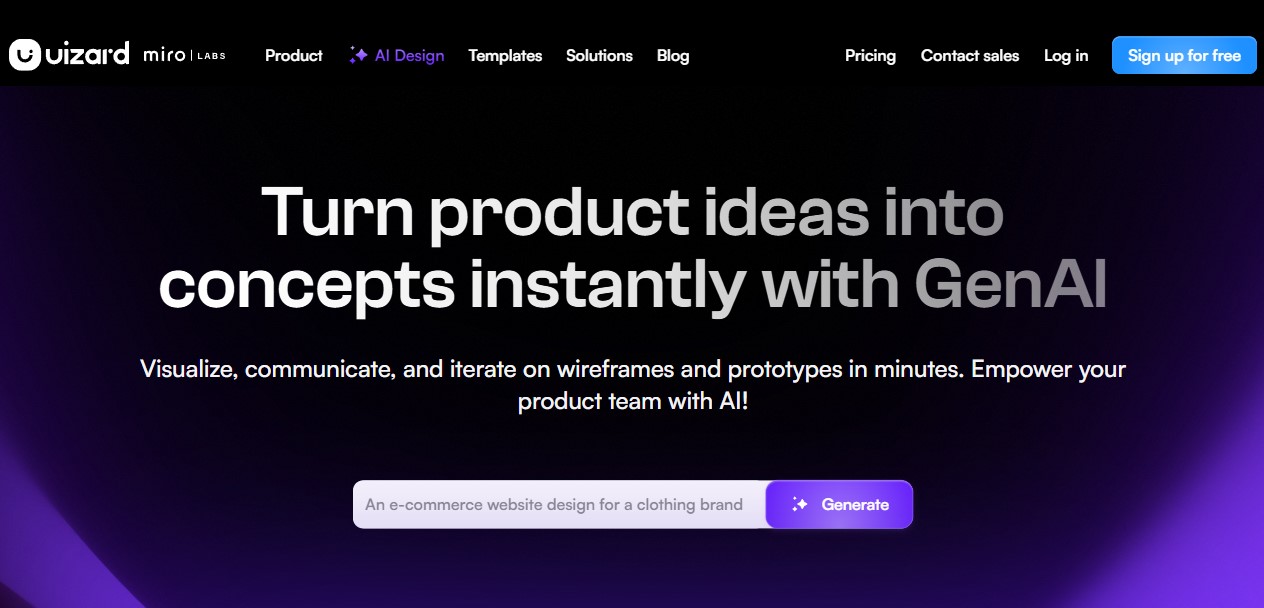
Uizard is a strong AI-fueled mockup application that can change hand-sketched sketches on pad into high-fidelity electronic models. You can only shoot a snapshot of a blueprint in your journal, and Uizard's AI will convert it into an changeable layout with standard visual controls. It also has a potent "Autodesigner" tool that can build multi-screen drafts from written inputs, rendering it a adaptable application for quick wireframing.
Khroma
Khroma is a bespoke AI color tool for designers. You initiate by selecting fifty of your beloved tints, and Khroma leverages a machine learning engine to ascertain your inclinations. It then produces an endless array of special, five-hue color schemes that are configured to your precise aesthetic. It's a fantastic approach to encounter new and unpredicted color combinations that you are probabilistically apt to love, liberating you out of your usual creative customs.